Search
Back
Accounts  
 
Riuh Durian Runtuh 2026 Campaign
Deposit or transfer funds into your DURIAN-i Account and stand a chance to win gold and cash prizes worth over RM1.4 million! No account yet? Open yours today.
Valid until 31st Dec 2026
Financing  
 
Cash Plus Personal Loan
Get fast approval with CIMB Bank's Cash Plus Personal Loan. Enjoy low interest rates from 4.38% p.a.* and loan amounts up to RM100,000, repayable over 5 years.
Remittance  
Currency Exchange  
Sustainability at CIMB  
CIMB@Work  
More Services  
Islamic Banking Overview  
Islamic Wealth Management  
Latest Promotions  
 
Riuh Durian Runtuh 2026 Campaign
Deposit or transfer funds into your DURIAN-i Account and stand a chance to win gold and cash prizes worth over RM1.4 million! No account yet? Open yours today.
Valid until 31st Dec 2026
CIMB Deals  
Kita Bagi Jadi  
 
Komuniti
CIMB Kita Bagi Jadi Komuniti is our platform dedicated to economic empowerment, education, and enabling communities to thrive.
CIMB OCTO App  
CIMB Clicks  
Apply for Products  
DuitNow QR  
Personalised For You  
Customer Help Centre  
Locate Us  
Extra Care by CIMB  
You're viewing:
Personal Banking
Other Sites
Day To Day Banking
Wealth Management
Investments
Insurance/Takaful
Deals & Promotions
Latest Promotions
Kita Bagi Jadi
Help & Support
Rates & Charges
Calculators
Security & Fraud
logo
MY

Credit cards often get a bad reputation because many people treat them like extra spending power. In reality, a credit card can be a cash flow management tool. It helps you manage when money leaves your bank account, while keeping your budget intact.


The Golden Rule: This only works if you pay the statement balance in full by the due date, so you get to enjoy the interest-free period without paying a single cent in finance charges.


This guide breaks down how it works in simple terms and how to use it in a way that supports your monthly cash flow, not added financial stress.

💡 What “Using a Credit Card for Cash Flow” Means

Using a credit card for cash flow means you are using the card to time your payment, not to increase your spending.


Think of it as a short-term payment bridge:


  • Spend what you have: You only charge expenses you already planned for (groceries, petrol, bills).
 
  • Liquidity: You get to keep cash in your bank account for longer.
 
  • Zero cost: You pay the statement balance in full by the due date to avoid the typical 15% – 18% p.a. finance charges.

⏳How Does the 20-Day Interest-Free Period Work in Malaysia?

To master cash flow, you need to understand the mechanics of your billing cycle. In Malaysia, most cards offer a 20-day interest-free period from your statement date, applicable to retail purchases when the previous balance is paid in full.


Key Terms You Need to Know

Term What it means Pro-Action
Statement date The date your monthly statement is generated and your spending is totalled Mark this on your calendar to time "big" expenditure right after this date
Payment due date The deadline to pay, often it is 20 calendar days from the statement date Set an automated reminder 3 days before this date
Statement balance The amount you owe for that billing cycle Always pay this amount, not the "Minimum Payment"

Notes: 

  • The illustration above assumes the statement balance is paid in full by the due date.
  • Total interest-free time depends on when the purchase is made within the billing cycle.

💡 Important Notes:


  • The interest-free period applies only to retail purchases, not cash advances.
  • To enjoy this benefit, you must have no carried-forward balance from the previous month.

Still confused? Here are some payment scenarios which show timing is everything:

If you do this… What will happen…
Pay statement balance in full before due date You pay 0% interest and keep your cash in your bank account for up to 50 days
Pay minimum or partial You lose the interest-free benefit. Finance charges (15% – 18% p.a.) are applied to the daily balance
Miss the payment due date You may face late payment charges (usually 1% or minimum RM10) plus finance charges depending on product terms

Your goal each month is straightforward. Pay the statement balance in full by the due date.

📅 How a Credit Card Can Improve Monthly Cash Flow 

When used intentionally, a credit card helps you manage cashflow in three common situations.


1) Aligning spending with your salary cycle 🔁


If your salary comes mid-month, using a credit card for essentials can help keep cash in your account until the due date, easing short-term gaps. This works when you understand your statement and due date cycle.


2) Keeping cash available for planned priorities 💰


During heavier spending months like insurance renewals or festive expenses, paying by credit card can help you manage cash on hand, as long as the statement balance is paid in full.


3) Making spending easier to track in one place 🧮


A credit card statement acts as a monthly spending summary, making it easier to review expenses, spot patterns, and adjust your budget

Cash Flow Timing Example ⏱️


Let’s say:


  • Your statement date is the 5th of each month
  • Your due date is about 20 calendar days later


If you make a planned purchase on the 6th March:


  • This purchase will fall into the new billing cycle and be billed on 5th April
  • You have until the next due date (25th April) to repay it, provided you pay in full to keep the interest-free benefit


This is the “timing” advantage. You are not escaping payment, you are choosing when payment happens.

⚖️Credit Cards vs 0% Easy Payment Plans (EPP) for Cash Flow

You may have heard of 0% interest instalment plans or easy payment plans offered on credit cards. What’s the difference since there’s already an interest-free period for normal credit card usage?


Both can help with cash flow, but they fit different situations.

Option Best for.. Strategy
Standard charge Everyday essentials and short timing gaps, where you want flexibility and control Pay in full every month to avoid finance charges
0% instalment plans (EPP) Planned big-ticket purchases where you prefer predictable monthly payments Spread the cost over 6 – 12 months to maintain a healthier monthly cash flow

💡 Pro Tip:


There are merchants that offer 0% interest easy payment plans on eligible credit cards. If you’re planning a big purchase, choosing EPP helps you keep more cash available for emergencies, provided you are disciplined with the monthly instalments.

✅ The 3 Rules That Make This Strategy Work

Rule 1️⃣: Use it for planned spending, not unplanned lifestyle upgrades


If it is not in your budget, putting it on a credit card does not make it affordable.


Rule 2️⃣: Pay the statement balance in full, not just "some amount"


Minimum payment is a safety net, not a strategy. People often get into trouble when minimum payment becomes the default, as daily finance charges can accumulate over time.


Rule 3️⃣: Know your statement date and due date


if you time bigger planned purchases right after your statement date, you often maximise the time before payment is due.

💡 Pro Tip:


When used for planned spending and paid in full, credit cards can offer cashback or reward points, helping you get more value from expenses you would have incurred anyway.

💳 Bottom Line: Control, Not Credit

At its core, using a credit card for cash flow is about control, not credit. As long as you spend within your means and pay the statement balance in full by the due date, it can help you manage monthly cash flow, keeping your finances on track.


The rule is simple: spend with intention, pay in full and let timing work in your favour. Used this way, a credit card becomes a practical and important tool in your financial system.


Ready to optimise your spending? 


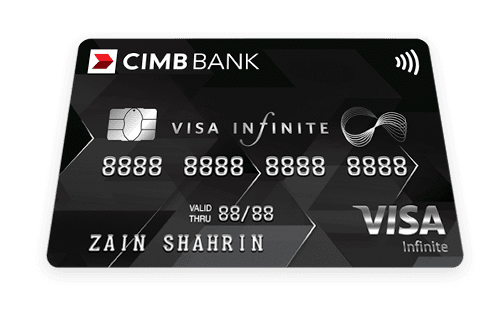
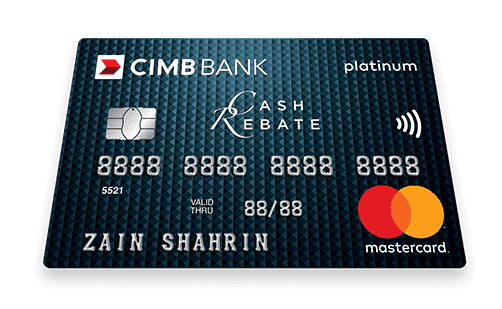
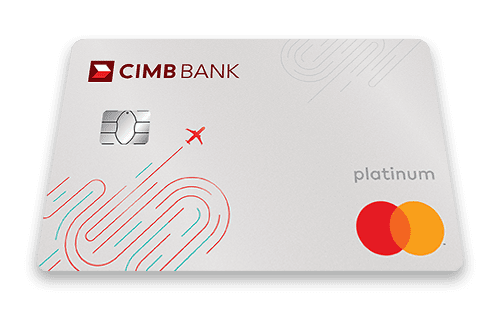
Explore CIMB Bank Credit Cards to find the right tool for your lifestyle.


This article is for informational purposes only and CIMB does not make any representation and warranty as to the accuracy, completeness and fairness of any information contained in this article. As this article is general in nature, it is not intended to address the circumstances of any particular individual or entity. You are advised to consult a financial advisor or investment professional before making any decisions based on the information contained in this article. CIMB assumes no liability for any consequences arising from your reliance on the information presented here.